Dogs show up in a number of our courses, including Applied Dog Behavior, Experimental Psychology of Learning, and Animal Cognition. Sometimes we study dogs to learn about dogs themselves; other times they provide a particularly engaging way to explore broader questions about learning, behavior, cognition, and how scientists figure out what animals know.
That means students don’t spend all of their time reading and talking about animal behavior—they get opportunities to work with animals directly. They might observe behavior, apply principles of learning to dog training, collect and interpret data, evaluate claims about animal cognition, or try to figure out why something that sounded perfectly reasonable in class doesn’t work quite as expected when there’s an actual dog standing in front of them.

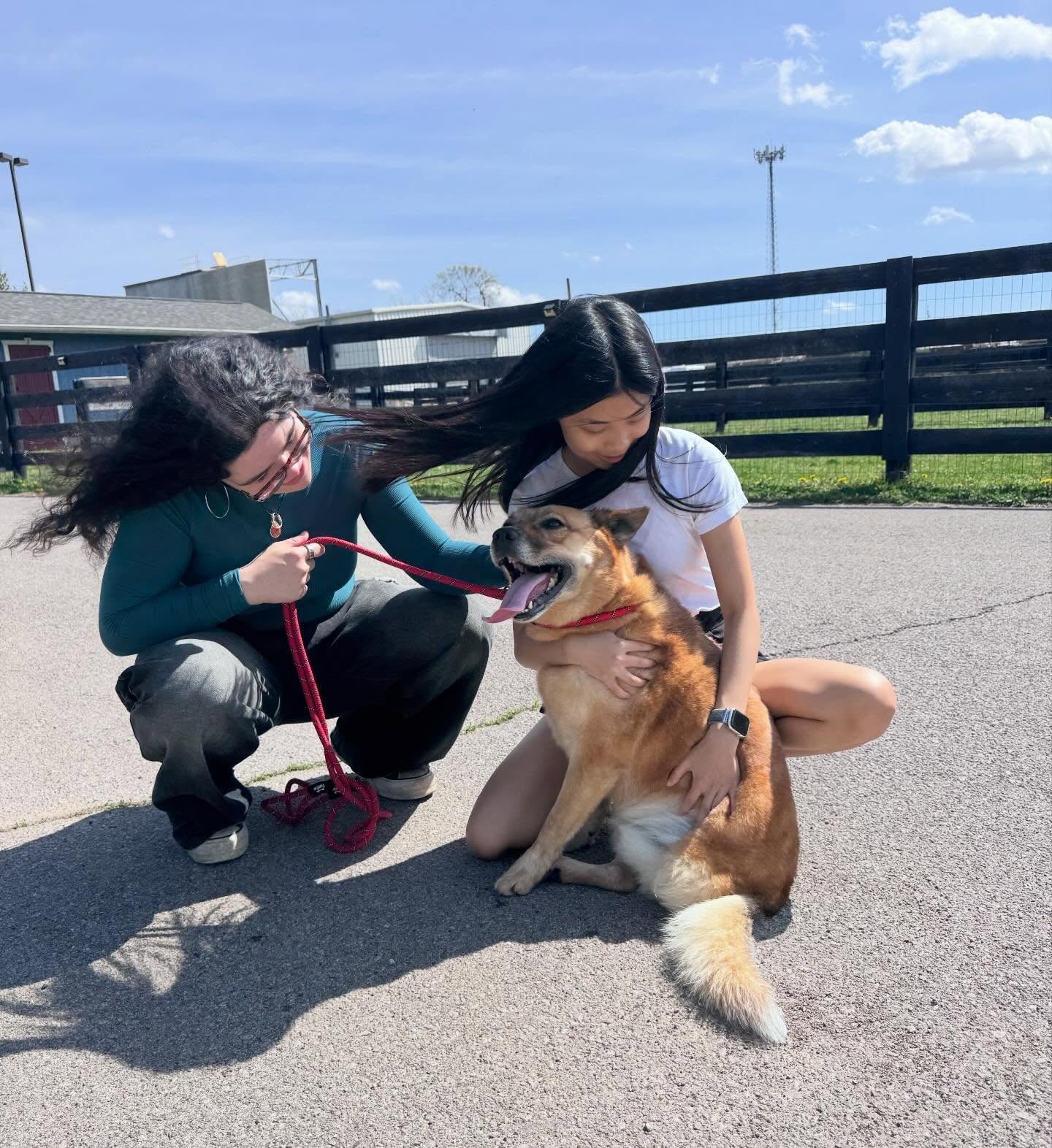
Applied Dog Behavior takes this especially far. Students spend part of the course at the Lexington Humane Society, where they work with adoptable dogs on training, enrichment, and behavior. Each student gets to know an individual dog, develops and adjusts a plan based on that dog’s needs and progress, and creates individualized materials that go home with the dog’s adopter. The work students do in class therefore becomes part of that dog’s transition into a new home.

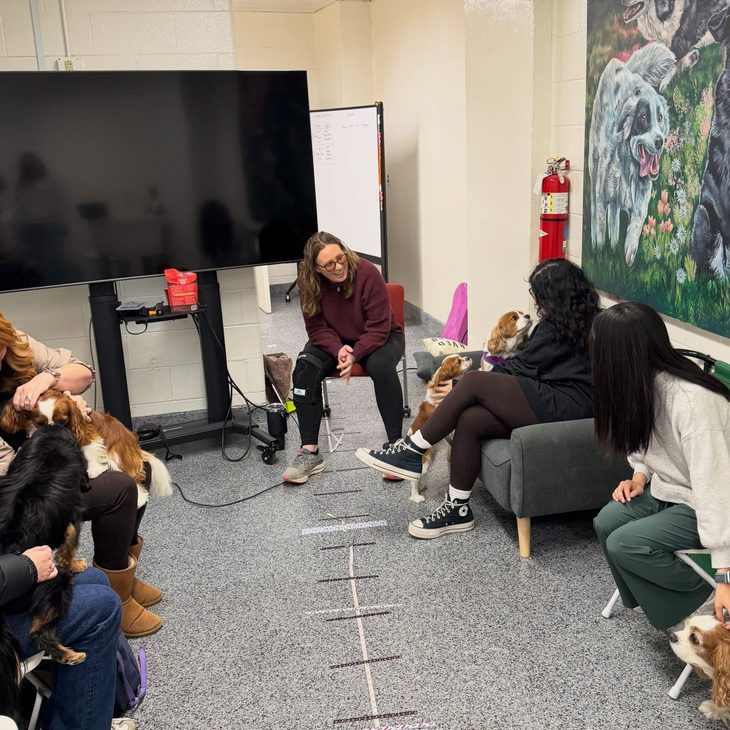
The Dog Lab also creates opportunities for courses to overlap with our research and community work. Questions that come up in class sometimes find their way into research projects, while things we encounter during research or at the Humane Society give us new things to talk about in class. Students who become particularly interested can continue exploring those questions through work in the lab.
And, sure, sometimes the Dog Lab contributes to student learning in a slightly less formal way. We’ve been known to move a class to the lab when everyone is stressed and could use some quality time with a pup.
We take learning seriously. The fact that students have a great time doing it is a feature, not a bug.