Becoming, Together
From Lexington to leadership, a shared journey rooted in curiosity and compassion
by Laurie Genet Preston
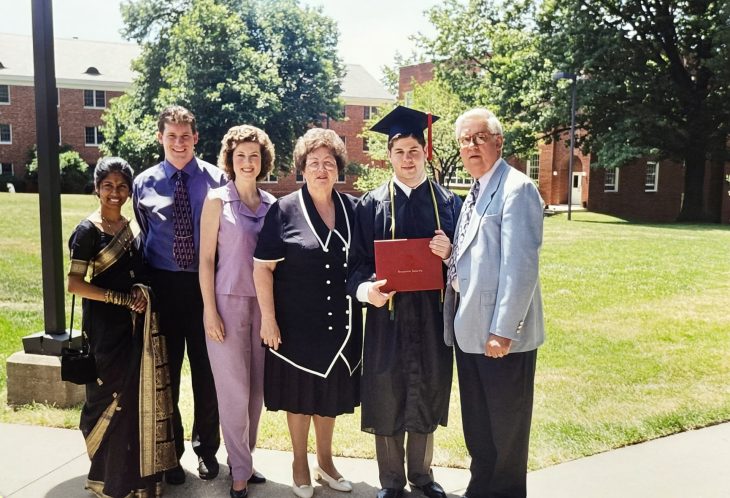
At Transylvania University, they pursued big ambitions. Joseph was looking for a college where he would be known as more than a number. Taufika had traveled thousands of miles from Bangladesh in search of opportunity, carrying with her a deep love of learning and the hopes of generations before her.
What neither could have predicted was that Transylvania would shape not only their futures, but their future together.
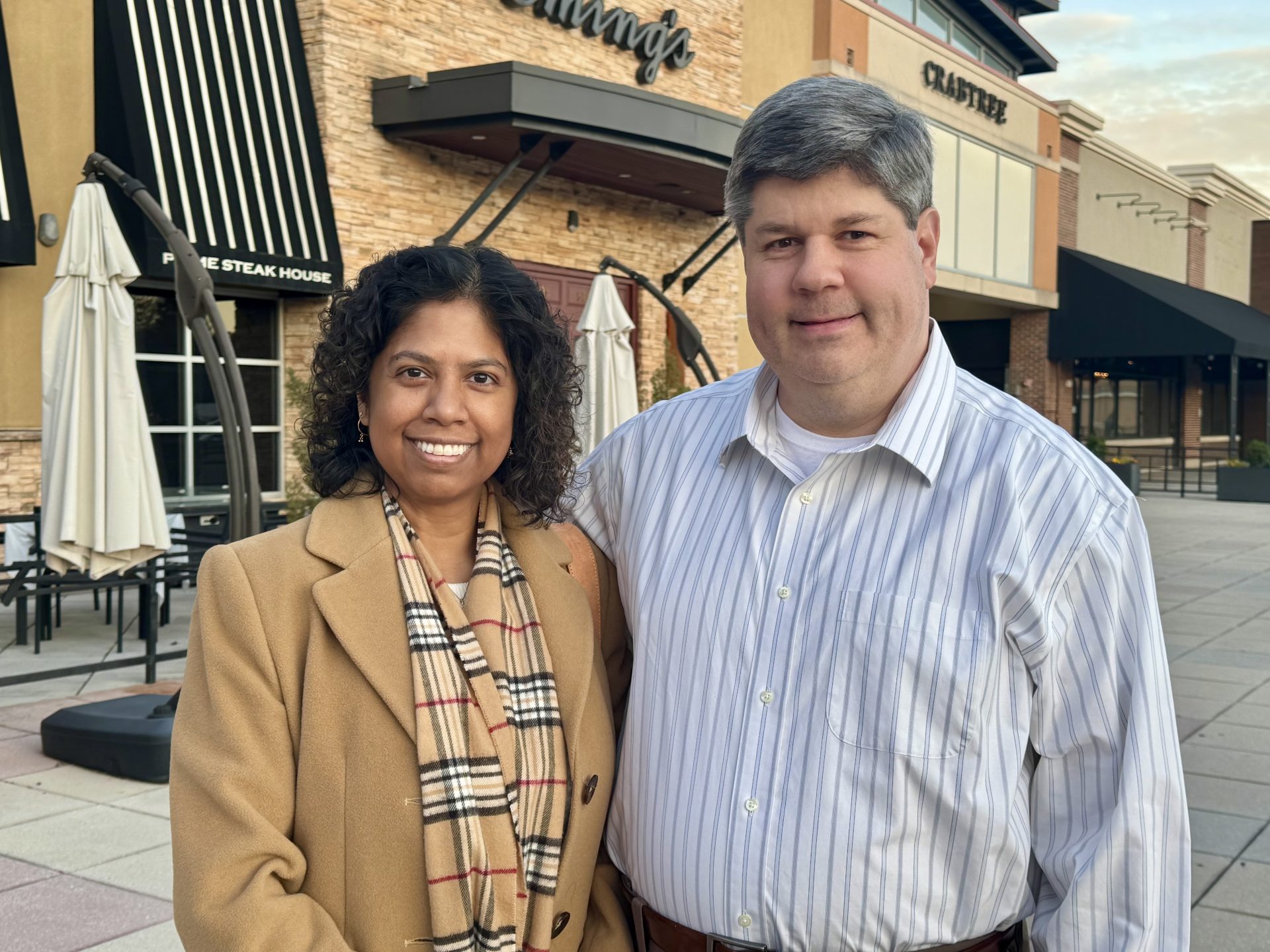
Today, nearly three decades after graduation, the couple has built careers defined by service, discovery and mentorship. Joseph, a member of Transylvania’s Class of 1999, is a triple board-certified psychiatrist at the University of North Carolina at Chapel Hill, where he directs the Addiction Medicine Fellowship and serves in leadership roles across forensic and correctional psychiatry. During the 2024-25 academic year, he received three major departmental awards recognizing excellence in teaching and performance.
Taufika, a 1998 graduate, is a research professor at North Carolina State University and assistant director of METRIC, one of the university’s premier research centers. Her work in mass spectrometry helps advance scientific discovery across disciplines, supporting researchers as they tackle complex questions in fields ranging from agriculture to human health.
This crucible of Transy was a very nurturing environment where we each got the space to become who we were meant to be.
Taufika Islam Williams
Their professional paths are different, but the values that guide them are remarkably similar. Both have dedicated their careers to helping others grow, whether through patient care, teaching, mentorship or research. And both trace those commitments back to their undergraduate years.
“This crucible of Transy was a very nurturing environment where we each got the space to become who we were meant to be,” Taufika says. “That’s pretty special.”
The Decision to Be Known
Joseph’s decision to attend Transy began with family.
“My older sister attended Transylvania University and she had a great experience there,” he says. “I was interested in attending a university that was not so large that I would easily be overlooked, and I wanted to attend a school where I knew that I would be taught by experienced faculty, and not graduate students.”
What he found was mentorship, including biology professor James Wagner, whom he calls “one of the finest teachers I’ve ever had.” What he found was rigor. What he found, unexpectedly, was his future wife.
“I will always be indebted to Transylvania since it is the place that I met my wife,” he says.
For Taufika, the journey to Lexington required far greater distance.
I will always be indebted to Transylvania since it is the place that I met my wife.
Joseph Williams
Growing up in Bangladesh in the mid-1990s, she dreamed of pursuing biochemical research in the United States at a time when few young women from her community traveled abroad for higher education.
“My parents were actively discouraged from allowing me to go,” she says. “I will always be grateful for the support they extended to me over the years, especially in my educational endeavors.”
They agreed, with one condition: she could apply to schools in New York or Kentucky, where relatives lived. An aunt in Lexington “lobbied a bit harder.”
Arriving for the first time, half a world away from home, she found what she needed in Transy’s scale and spirit.
“With it being my first time living away from home, I liked the small class sizes and student body at Transylvania,” she says. “The faculty and students at Transy really helped me, especially as an international student, adjust to American college life.”
Beyond Science
Both entered Transy with focus. What they left with was breadth.
“My time at Transylvania helped to shape my view of medicine as more than a scientific field of study,” Joseph says. “It helped me to understand that medicine is just as much about connecting to patients as it is about scientific principles.”
That conviction guides his work today. His clinical focus — addiction medicine, forensic psychiatry and correctional psychiatry — centers on patients who are often marginalized or stigmatized.
“In my areas of practice, a common theme connecting the areas is working with patients who are often marginalized or stigmatized because of their history or circumstances,” he says.
In training physicians, he returns to a grounding question: “How would I handle this situation if it was my family member who was the patient?”
He defines great teaching with characteristic clarity. “A great teacher is one who is able to adapt his or her teaching approach to fit the specific needs of the learner,” he says. “It’s not a ‘one-size-fits-all’ endeavor.”
Taufika’s growth at Transy was equally transformative.
“Coming out of high school in Bangladesh, my academic environment back then was such that very little emphasis was placed on extracurricular pursuits,” she says. “I was rather one-dimensional in my learning journey. I knew math and science and was very good at it.”
At Transy, she took art, philosophy, theater and economics. “I became more well rounded, and it helped me acquire different lenses in looking at the world and that which I loved to study the most — math and science.”
“I was without a doubt taught to become a better writer and communicator,” she adds, “something that was indispensable in helping me write about and communicate my original research pursuits in graduate school and beyond.”
One pivotal moment came when she served as a teaching assistant running a mass spectrometer for an organic chemistry lab.
“Little did I know that that little instrument was going to put me on the path to building a career in measurement science with sophisticated, cutting-edge mass spectrometers in the time to come,” she says.
Today, her work at NC State centers on building research infrastructure that empowers discovery across disciplines.
“One of the reasons I decided to go into research support as opposed to becoming a PI myself is my desire to be involved in diverse research,” she says. “To me, a molecule is a molecule.”
A Partnership in Motion
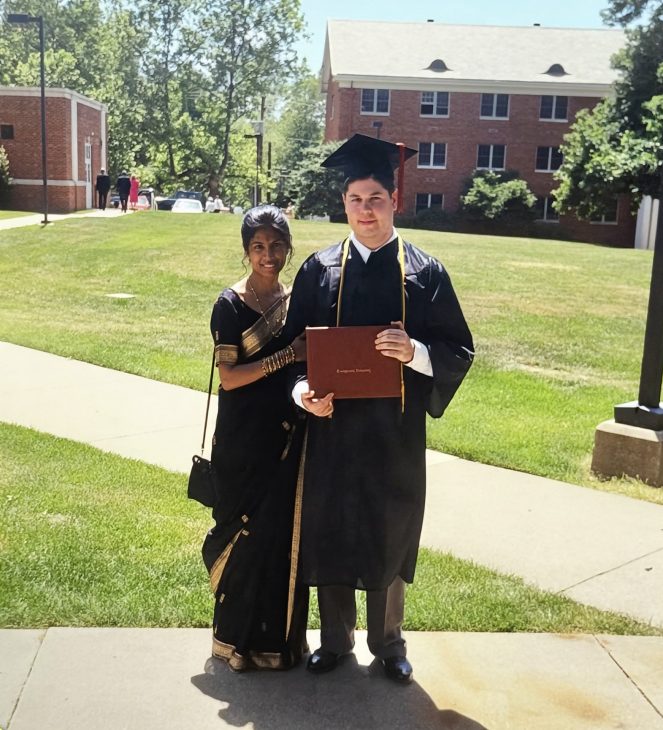
They became a couple halfway through college. What followed unfolded in tandem: doctoral work, medical school, residency, postdoctoral research and fellowship.
“We grew up together, learned together, challenged each other, pushed each other, sacrificed for each other,” Taufika says.
They pressed forward and eased back as seasons required.
“We pushed the gas pedal on our career and released as our family needed, always complementing each other,” she says.
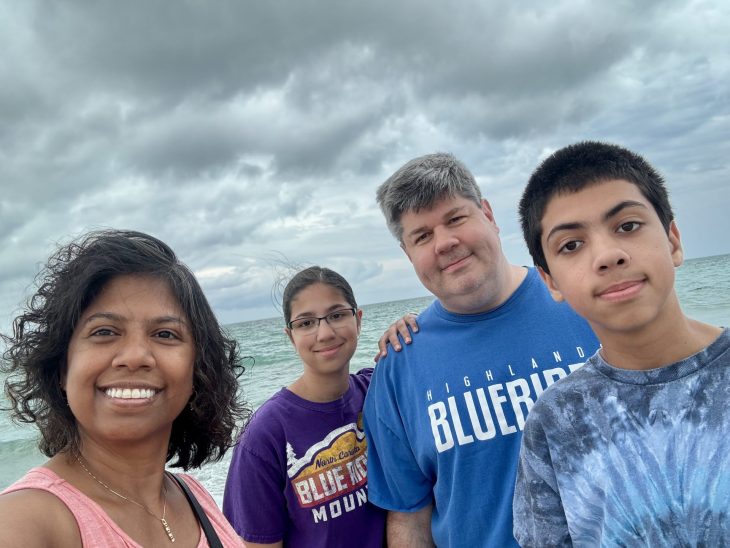
This year, they celebrate 25 years of marriage.
“That is not to say that everything was always rosy,” she adds. “It was not — but there was never any doubt in where our loyalties and commitments lay. The rest was details.”
The Ripple Forward
For Joseph, Match Day remains one of the most rewarding moments of the year. “We matched three outstanding applicants for the upcoming academic year, and I am really excited to have the privilege of working with them as their program director,” he says.
For Taufika, the idea of legacy stretches across generations. Along her maternal line, each woman pursued education as far as circumstances allowed before passing opportunities forward, becoming, in her words, a “coach, cheerleader, facilitator and supporter with her entire soul.”
Today, she carries that tradition into both her laboratory and her home. Whether mentoring young scientists or helping her children explore new ideas, she approaches each opportunity with the same enthusiasm for discovery.
When asked what she hopes students who are uncertain about research might remember, her answer is simple: “The best way to satisfy curiosity is to do something about it.”
Joseph offers advice that is equally grounded. “Don’t let things overwhelm you. Take everything one step at a time.”
As their careers continue to evolve, both remain driven by the same values that first took root during their years at Transylvania. Taufika looks toward emerging technologies and new scientific frontiers with excitement, while Joseph continues preparing the next generation of physicians to care for patients with both skill and compassion.
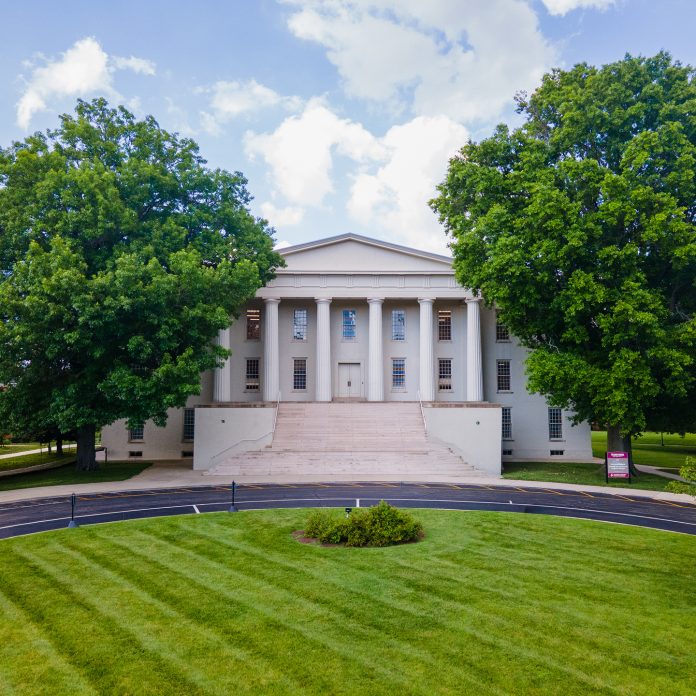
When they return to campus and walk past Old Morrison, they are reminded not only of where they began, but of the community that helped shape who they would become. At Transy, they were challenged, encouraged and known. They were given the confidence to pursue big questions and the support to follow them wherever they led.