Connections That Spark Discovery
From the classroom to cutting-edge research, Elizabeth (Meredith) Rhea ’08 carries forward Transy’s legacy of learning through collaboration
by Laurie Genet Preston
As a student at Transy, Rhea double-majored in biology and exercise physiology while competing as a swimmer and softball player. Like many of her classmates, she explored potential careers in health care and athletic training. But her true direction didn’t become clear until her senior year, when Transylvania’s emphasis on mentorship and experiential learning helped open a new path.
That turning point came when professor Kirk Abraham helped arrange an internship in Mike Reid’s lab at the University of Kentucky. What began as a graduation requirement soon became a revelation.
This experience changed my life. Up until my senior year at Transy, I was not sure what I wanted to do after graduating.
Elizabeth Rhea ’08
That one semester in a basic science research lab set her on a path toward discovery and advanced study. After graduation, Rhea entered Vanderbilt University’s interdisciplinary Ph.D. program in molecular physiology and biophysics, completing her doctorate in 2014. She then joined the University of Washington as a postdoctoral fellow and today serves as a research assistant professor with joint appointments at UW and the U.S. Department of Veterans Affairs Puget Sound Health Care System.
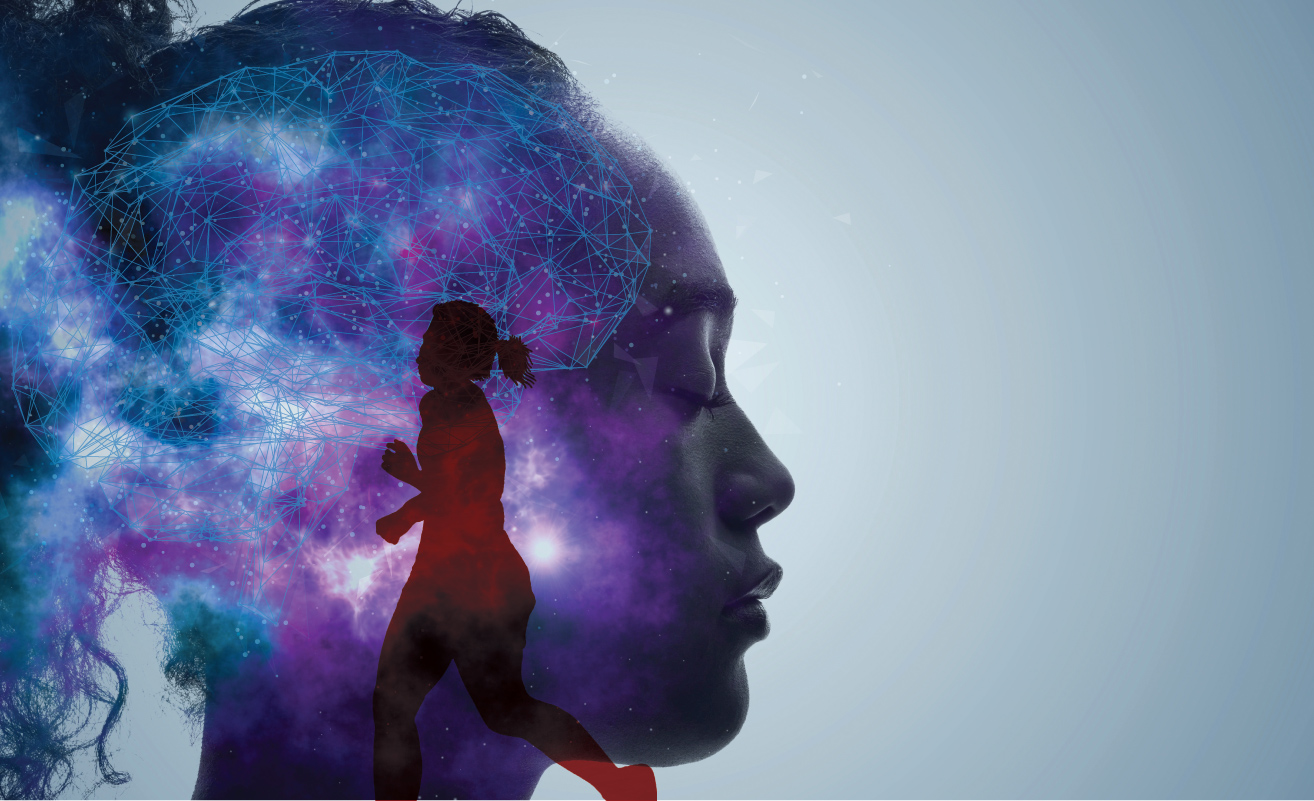
Rhea’s research focuses on the blood-brain barrier, the gateway that regulates what substances can enter the brain. Her work explores how insulin moves across that barrier and how it affects cognition, aging and neurodegenerative disease. Her studies have challenged long-standing assumptions about insulin signaling, showing that insulin can cross into the brain independently of the classical receptor pathways. The finding has opened new avenues for understanding how insulin resistance and metabolic dysfunction contribute to conditions such as Alzheimer’s disease.
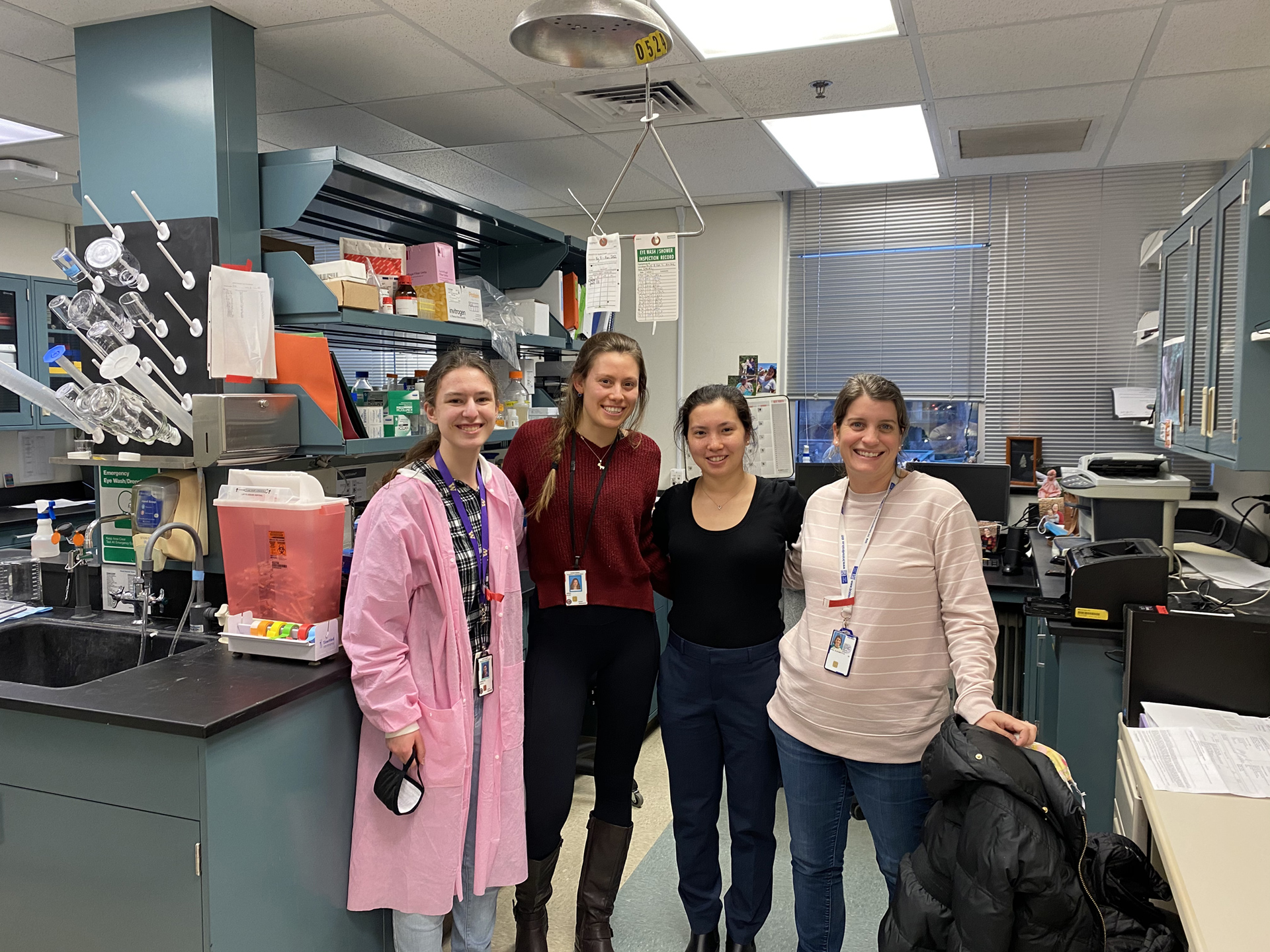
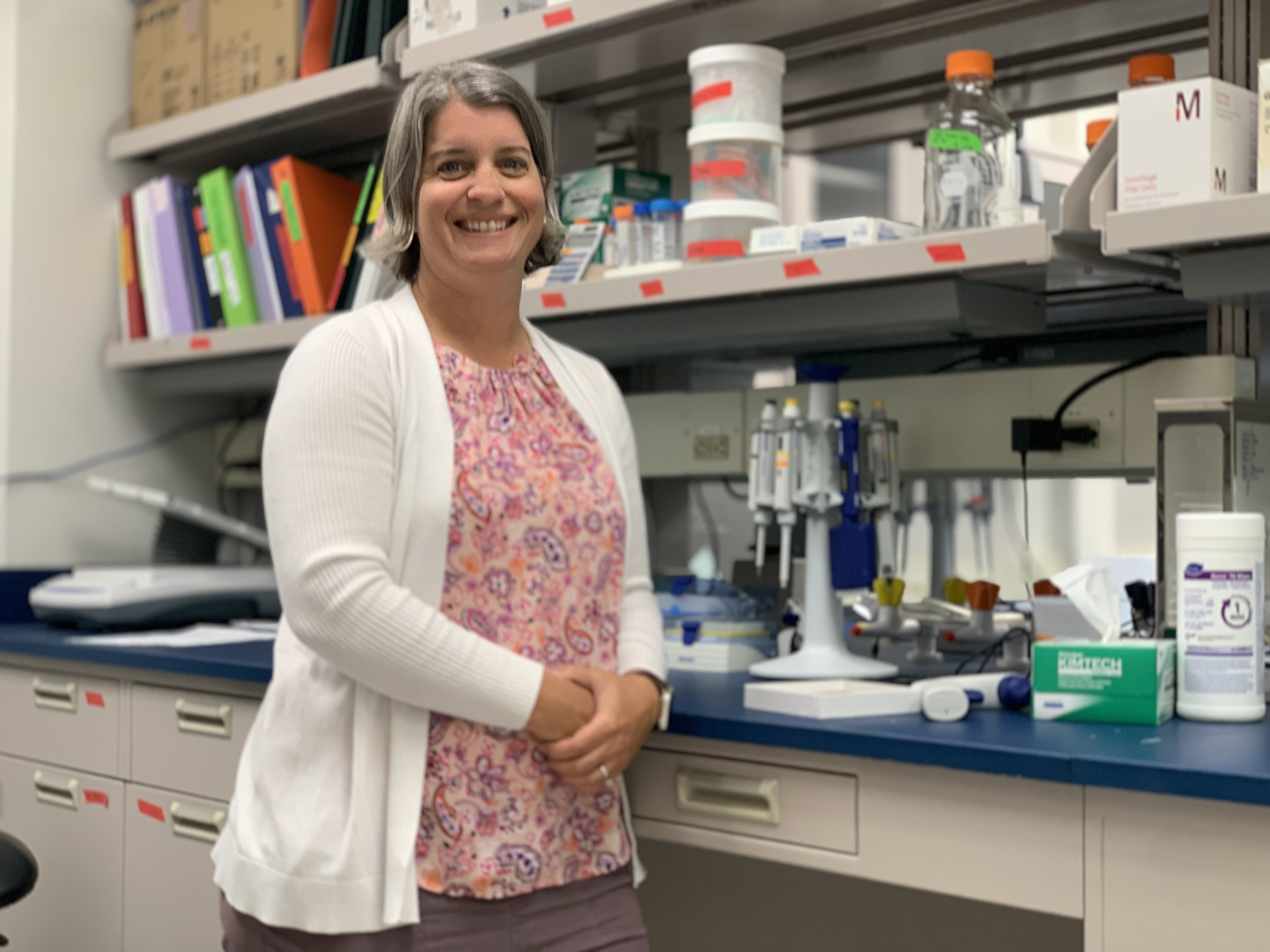
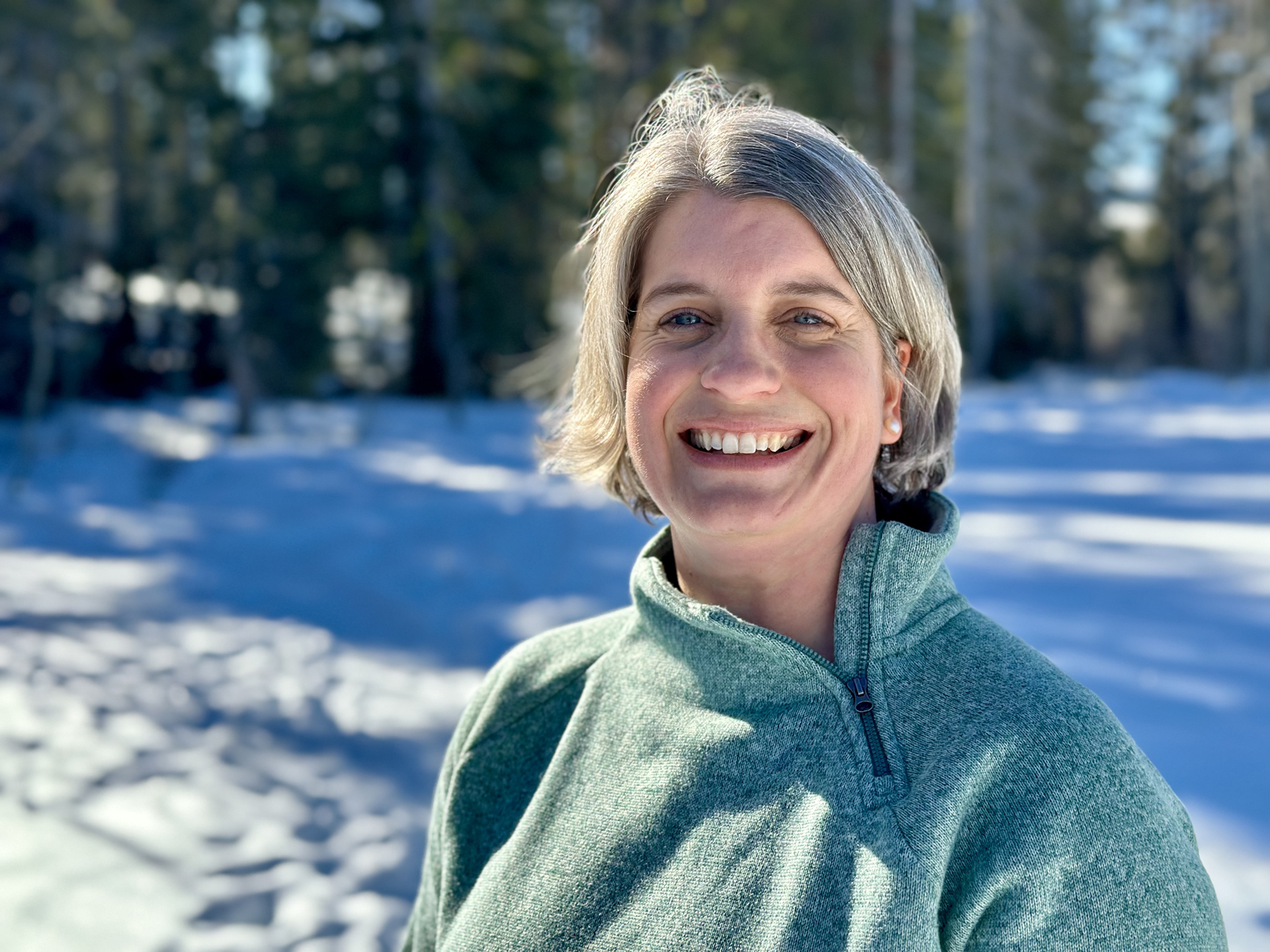
More recently, Rhea has drawn on her background in exercise physiology to study how physical activity influences the delivery of insulin to the brain. “As exercise can improve cognition in dementia, and as insulin in the brain can improve cognition, I tested and found that exercise can increase the amount of insulin delivered to the brain,” she said. That work highlights the powerful connections among movement, metabolism and memory, and it offers a hopeful link between everyday health behaviors and cognitive well-being.
Transy professors didn’t just teach us the material, they helped us make real-world connections. That sense of collaboration and support is something I’ve tried to carry into every stage of my career.
Elizabeth Rhea ’08
Rhea’s collaborative work reflects the kind of partnerships that Transylvania has long encouraged between students and the scientific community. Her early research experience at the University of Kentucky was not only life-changing but also emblematic of Transy’s approach to learning through connection. That single internship, arranged through a faculty relationship, became the foundation for a career built on interdisciplinary cooperation and mentorship.
Looking back, Rhea credits her Transylvania education with preparing her for the intellectual challenges of graduate school and scientific research. She recalls how professors encouraged her to see connections across disciplines, from physiology and chemistry to psychology and philosophy.
Transy taught me to think broadly. Science doesn’t happen in isolation. You have to understand how different systems interact, whether you’re studying the brain or the body as a whole. That perspective started for me in those classrooms and labs in Lexington.
Elizabeth Rhea ’08
“Transy taught me to think broadly,” she said. “Science doesn’t happen in isolation. You have to understand how different systems interact, whether you’re studying the brain or the body as a whole. That perspective started for me in those classrooms and labs in Lexington.”
Rhea remains connected to her alma mater, keeping in touch with former professors and following the growth of Transy’s science programs. She hopes to welcome Transy students into her research environment in the future, continuing a cycle of mentorship that began when one professor helped her find her way.