Connections That Count
by Stephen Russell
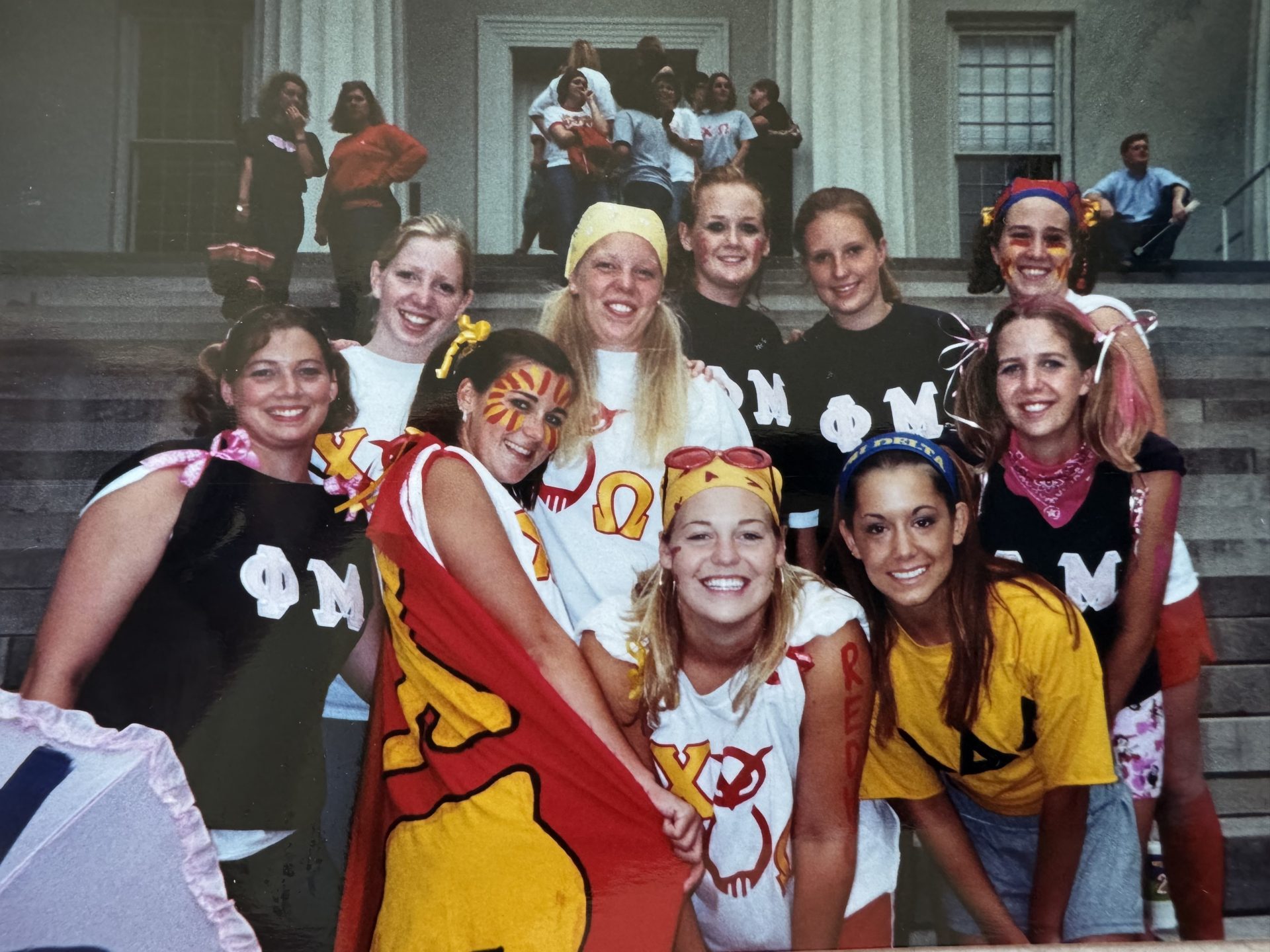
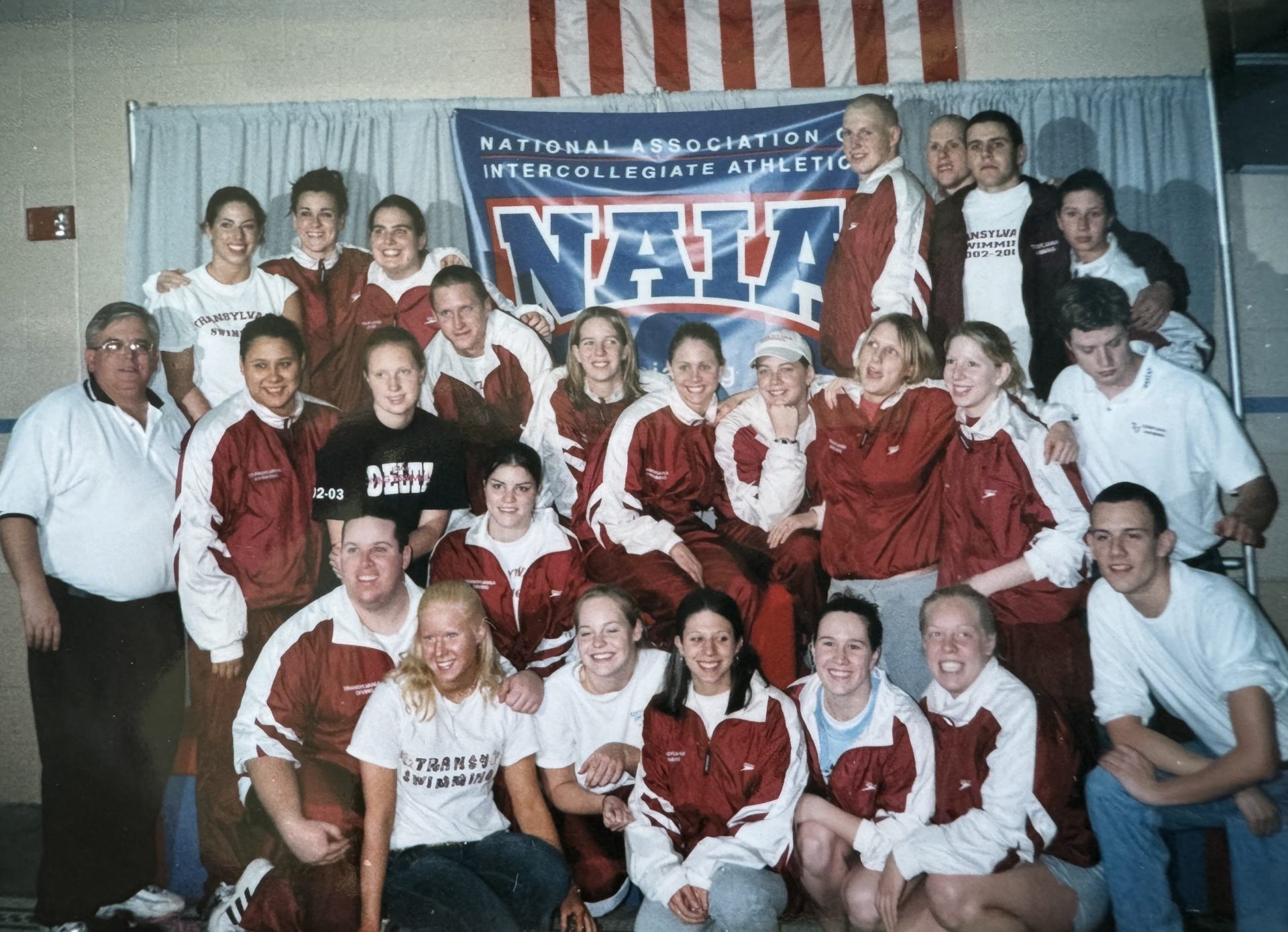
When Lageman first dove into the waters at Transylvania University, she thought she was choosing the school for the swim team. “I was initially drawn to Transy because of the swim team and the opportunity to swim on a Collegiate level,” she recalled. Recruited by coach Jack Ebel and surrounded by friends from her Northern Kentucky swimming days, Lageman quickly found more than a team. What she found was something far more enduring: a community of classmates, teammates
and professors.
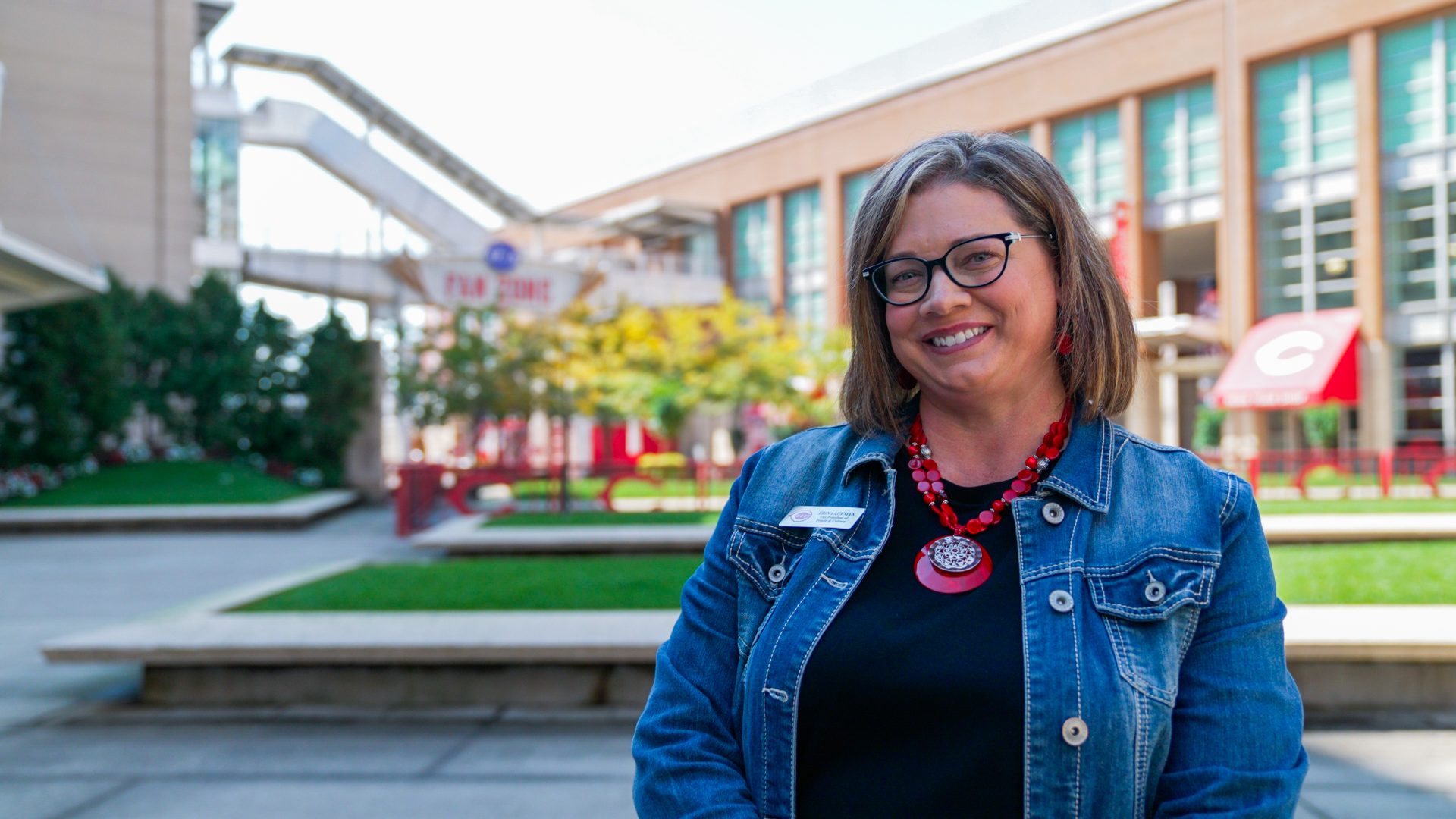
More than two decades later, now serving as vice president of people and culture for the Cincinnati Reds, Lageman still traces her success back to the connections she built at Transylvania. For her, community wasn’t just a byproduct of college life — it was the foundation for her career. “I really met my tribe at Transylvania, and that had a huge impact on my future,” she said. “It gave me network ability to build these relationships on a higher level that spurred my career on and not only my career, but my confidence.”
Relationships That Last a Lifetime
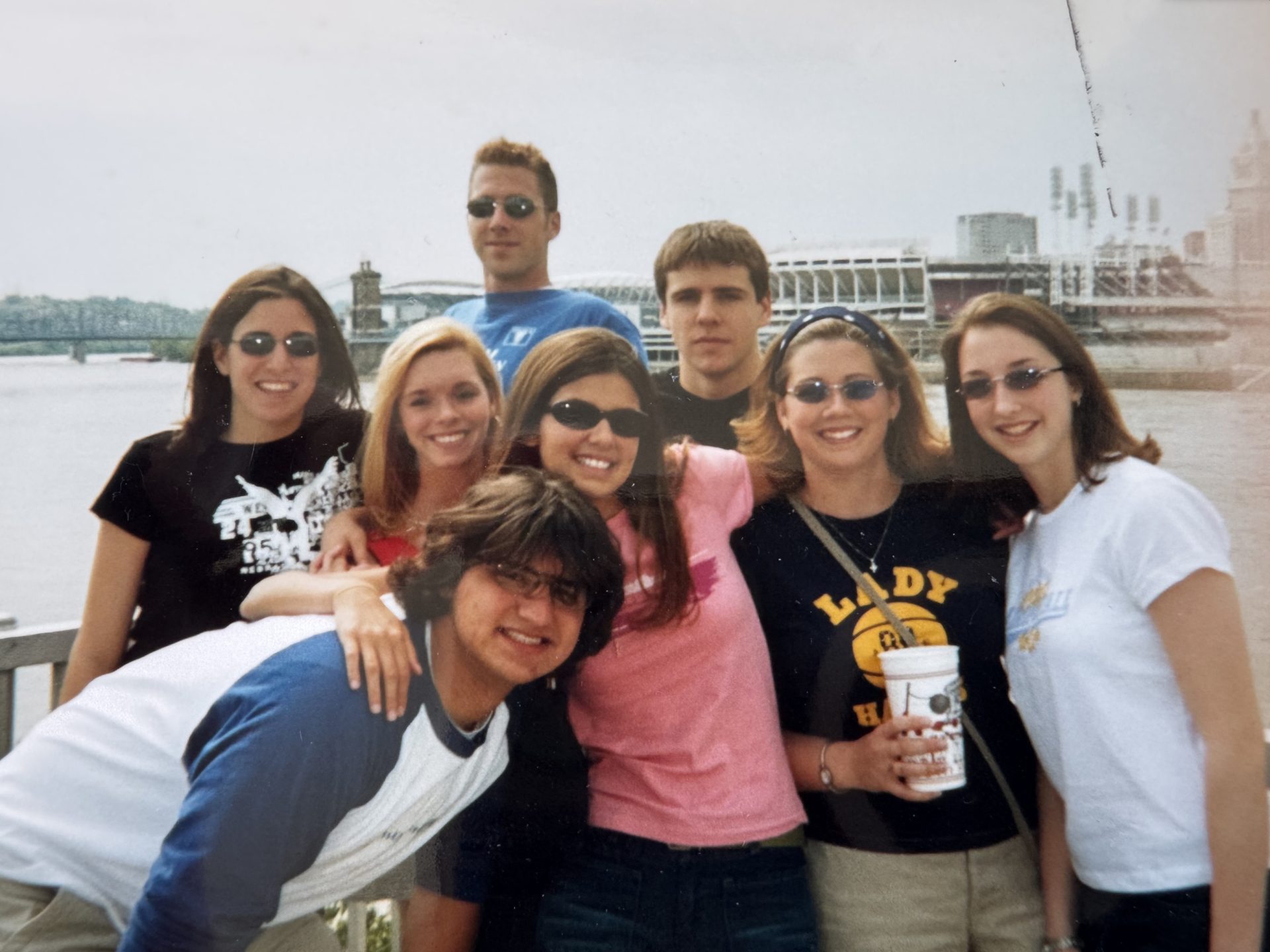
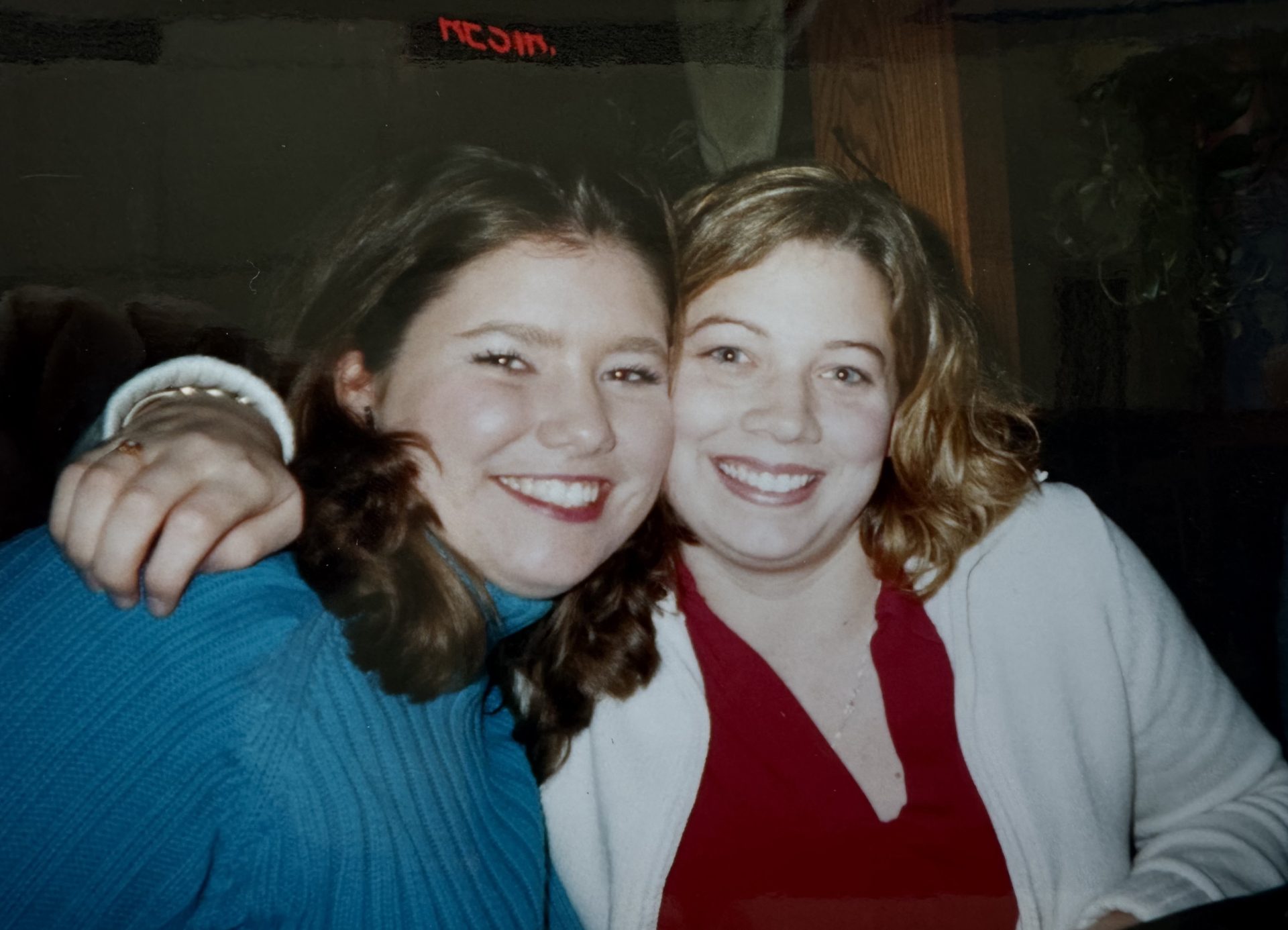
Like countless Pioneers, Lageman found that the Transy experience was about much more than academics or athletics. It was about people. Teammates, classmates and sorority sisters shaped her campus life, and those bonds continue to shape her professional life today. “Anybody that comes to a Reds game that I went to school with at Transy usually calls me and lets me know that they’re here,” she said. “I get to go see them and reconnect with my old friends and my classmates.”
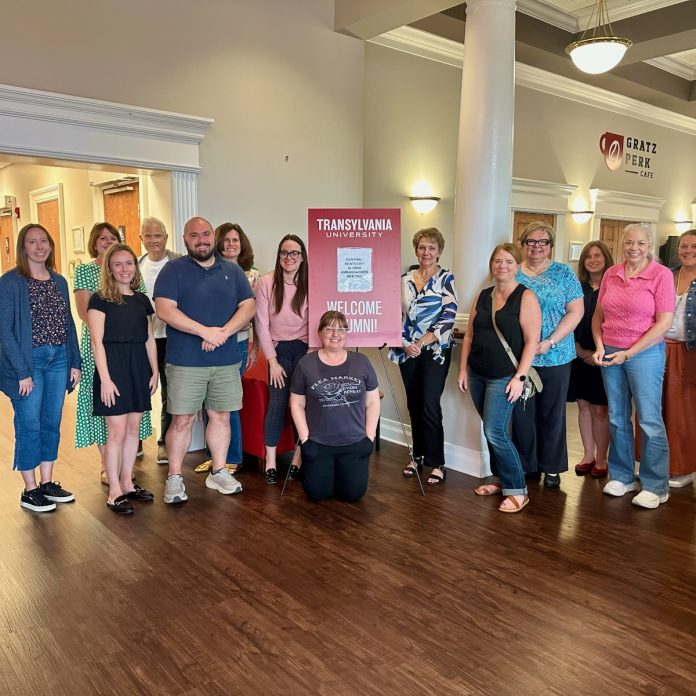
The ballpark has become an unofficial reunion venue. And when she spotted a charter bus of Transy alumni pulling into Great American Ball Park, she couldn’t help but smile. “I was so proud that we had a bus full of alumni here,” she said. “It’s been fun to see people at the ballpark having fun.”
Even two decades later, she finds her alumni network showing up in meaningful ways. Fellow alumna Colene Elridge ’05 has partnered with her on Reds initiatives. Former RA Beth Silvers ’03, now a nationally known podcaster, remains an inspiration. No matter how the lineup changes, the Transy roster stays close. Lageman’s story illustrates something powerful: Transy isn’t just a four-year experience. It’s a lifelong network.
Professors Who Opened New Doors
Academics at Transy gave Lageman more than knowledge — they gave her direction. She entered as a psychology major expecting to pursue a clinical career. Then she enrolled in a class with Professor Mark Jackson.
“Mark Jackson came in as a professor, and he taught a class called Industrial Organizational Psychology,” she explained. “After that class, I was hooked into the HR world because it’s a lot of the psychology of business.”
That one class changed her career trajectory, leading her to graduate school at Northern Kentucky University. There, she became part of the first class of Industrial Organizational Psychology students.
It wasn’t just giving you the information — it was getting you to the point to ask questions, to remain curious, to assume positive intent in everything that you did. That was a fundamental skill that I learned at Transy and how to not take shallow information but to really dig deeper and find the whole story.
Erin Melville Lageman ’04
Looking back, she credits Transy professors with teaching her to think critically and approach problems with curiosity. “It wasn’t just giving you the information — it was getting you to the point to ask questions, to remain curious, to assume positive intent in everything that you did,” she said. “That was a fundamental skill that I learned at Transy and how to not take shallow information but to really dig deeper and find the whole story.”
That ability to think deeply, adapt quickly and communicate effectively is exactly what a liberal arts education is designed to provide — and it’s exactly what has carried her through her career.
Leadership Lessons from the Pool
Athletics played just as big a role in Lageman’s development as academics. Balancing 5 a.m. practices with classes and evening workouts taught her time management, resilience and teamwork.
“Time management is probably the best part of being a student-athlete,” she said. But she also learned that leadership isn’t about a title. “You don’t have to be the captain to be a leader on the team. You don’t have to have a title to lead people.”
That philosophy remains central to her leadership style today. “If you win the argument, somebody loses, and if somebody loses it, it damages the relationship,” she explained. “My most important job as a leader isn’t my own work, but it’s developing the people underneath me, around me, my peers, to be the very best versions of themselves.”
Whether in the pool or the workplace, Transy gave her the skills to lead, collaborate, and bring out the best in others.
A Career that Plays Like a Team Sport
After graduate school, Lageman’s career began with one more connection. Her graduate school classmate Lisa Blank, then director of HR at St. Elizabeth Healthcare, called with an opportunity. “The one thing she said to me was, ‘Erin, I’m going to hire for attitude and train for skill,’” Lageman recalled. That chance became her first HR role.
That philosophy of valuing relationships over resumes became her own. “Your behavior is so important — being a quick learner and being adaptable and agile in your career,” she said. “I’m a really big believer that a career path is not a ladder. It should be a jungle gym.”
Your behavior is so important — being a quick learner and being adaptable and agile in your career,” she said. “I’m a really big believer that a career path is not a ladder. It should be a jungle gym.
Erin Melville Lageman ’04
Her career path wound like a baseball season — long, unpredictable, full of extra innings. She worked across nearly every aspect of human resources, gaining the breadth of experience she would one day need at the Reds. “When I came over to the Reds, that was one of the things that really carried my resume above the other 500 applicants that applied for this position,” she said.
Playing Ball with the Big Leagues
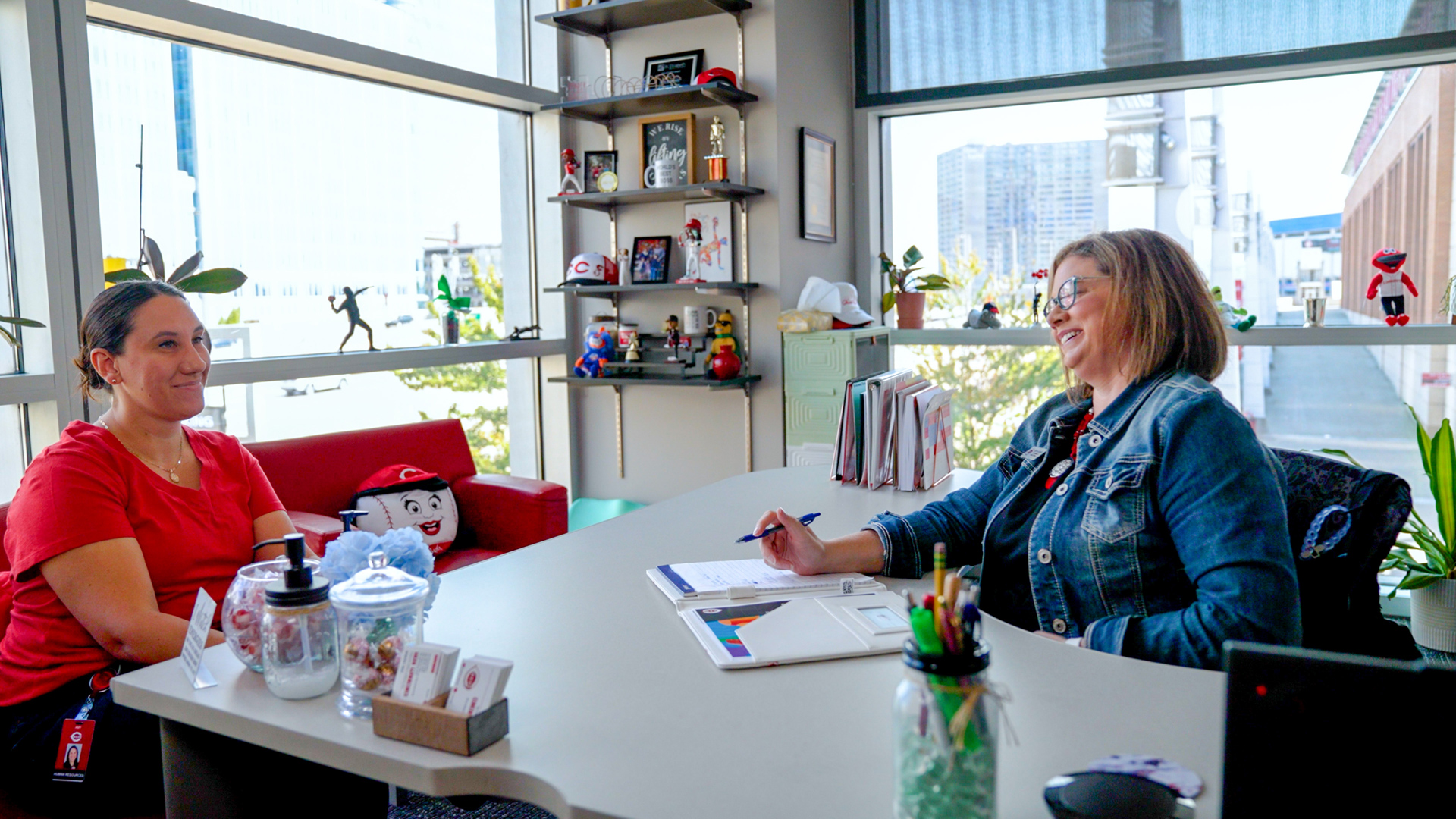
Today, Lageman’s role as vice president of people and culture covers everything that touches the employee experience: compensation, benefits, legal compliance, organizational development and culture. But at its core, her work is about people.
“The other big thing that I do is shape organizational health and organizational culture,” she said. “It is important to find out what your employees need support-wise.”
That means listening to employees, fostering resource groups, and creating the kind of supportive environment that makes people feel like part of a team — whether they’re players on the field or staff behind the scenes.
It also means breaking barriers. “Breaking barriers in a male-dominated industry has been a challenge,” she admitted. Coming from health care, where leadership was largely female, the transition to baseball was a sharp contrast. But she’s never shied away from the plate.
Instead, she has embraced the challenge, becoming a visible advocate for women in sports leadership. “It’s been very exciting to promote women in the sports industry,” she explained. “There’s so much to do in major league sports that is not necessarily baseball related, but you have a whole business setting behind that, so why not have more women in sports?”
Her message to future leaders, especially young women, echoes the values she learned at Transy: Different perspectives make teams stronger. “We talked to high-school and college-age women to get more women in sports, because one of the big things that makes an organization great is diversity of thought,” she said. “When you get all of those outside perspectives, it makes you stronger as an organization.”
Full Circle
Looking back, Lageman sees her path as a continuous loop of relationships — professors, teammates, colleagues, mentors and friends — leading her from the pool at Transy to the ballpark in Cincinnati. For all her professional accomplishments, Lageman’s greatest pride is in balancing career and family life with her husband, Andrew, and their four children. Once again, it all comes down to community. “You rely on your tribe. You can’t do it alone,” she said. “When you rely on your community like I did at Transy while I was there, you can make anything happen.”
Her network — family, friends, neighbors — makes the impossible seem manageable, from sports practices to school events to weeks away at spring training. “I feel very blessed to be where I am and every experience that I get to go through makes up a part of me.”
I feel very blessed to be where I am and every experience that I get to go through makes up a part of me.
Erin Melville Lageman ’04
“When I look back at my time at Transy to where I am now, the thing I’m most proud of is my resiliency,” she reflected. “To be a woman in sports leadership today means so much to me. To be able to work in an industry of professional sports feels to me like I’ve come full circle in my personal and career life.”
Her story is proof of what a Transylvania education can do. It’s not just about one major or one career track. It’s about gaining the critical thinking, confidence and connections to succeed anywhere.